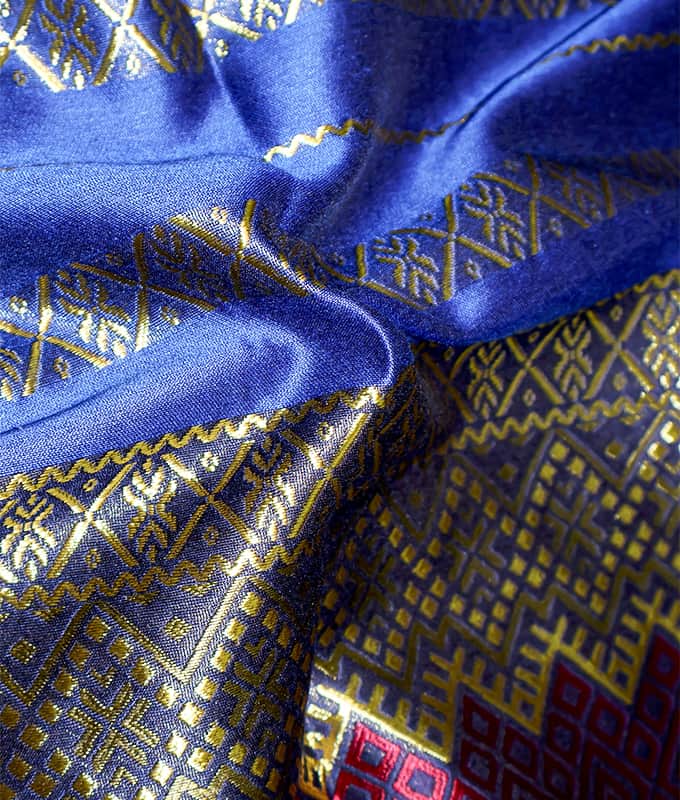
100% poliester Jacquard uzorak, šarena jugoistočnoazijska sarong tkanina – izdržljiva, živahna i laka za održavanje, dizajnirana da unese i ljepotu...
See Details


Anti-Pilling Fabric: How to Choose, Test & Care for Long-Lasting Textiles
Vijesti iz industrije-What Is Pilling and Why Does It Happen?
Pilling ruins the appearance of a garment faster than almost any other fabric flaw — often within 50 wash cycles. Those tiny, hard balls of tangled fiber make even premium textiles look worn and cheap. Understanding exactly what pilling is gives you the power to avoid it before you ever cut a yard of fabric.
Pilling is the formation of small, fuzzy balls of fiber on a fabric surface. It happens when short, loose fibers are pulled out of the yarn structure by friction — during wear, washing, or even just rubbing against another surface. Three factors drive the process: fiber length, yarn twist, and the amount of abrasion the fabric endures.
- Short staple fibers — Cotton and wool often have shorter fibers that separate easily. Long-filament synthetics keep ends locked in.
- Low twist in the yarn — Loosely twisted yarns let individual fibers migrate to the surface. Tightly spun or plied yarns hold them in place.
- Repeated friction — Backpacks, seat belts, upholstery arms — any spot that rubs regularly will pill first. Washing machines also create relentless micro-rubbing.
Even high‑end natural materials like cashmere will pill; it isn’t an automatic sign of poor quality. What matters is how much pilling occurs and how long the fiber structure stays intact. The best fabrics control pilling through material choice and construction, not just surface finishes.
Which Fabrics Are Most Prone to Pilling? (Comparison Table)
Not all fibers behave the same way under friction. The table below ranks four common fiber types by pilling tendency and explains why — so you can quickly spot risky choices. Use this as your first filter when sourcing anti‑pilling textiles for garments, home décor, or craft yarn.
| Fiber Type | Pilling Tendency | Key Reasons | Typical Applications |
|---|---|---|---|
| Wool (short staple) | High | Short fibers, natural scales that interlock under friction | Sweaters, blankets, suits |
| Cotton | Medium to High | Staple length varies; lack of natural twist allows fiber migration | T‑shirts, bedding, casual wear |
| Acrylic | Medium | Can be engineered for anti‑pilling, but cheap acrylic often uses short cut fibers | Budget knits, craft yarn |
| Polyester (filament) | Low | Continuous filament yarn — no short fiber ends to pull out | Activewear, headscarves, sarongs, upholstery |
The lesson is straightforward: if anti‑pilling is a priority, move toward filament polyester or tightly twisted longer‑staple cotton. Blends can improve hand feel, but the trade‑off must be managed with proper spinning techniques. For instance, a 100% polyester keffiyeh resists pilling dramatically better than cotton‑dominant versions because every fiber is continuous.
How Is Anti-Pilling Performance Tested? (Standards Explained)
If you buy fabric from a mill that claims “anti‑pilling,” ask for the test report — not just the phrase. Three international standards dominate the market, and each uses a reproducible method to simulate real‑world friction. Knowing them lets you compare apples to apples.
- ASTM D3512 (Random Tumble Pilling Tester) — Fabrics are tumbled in a chamber with cork linings for a set time. The pilling is then rated visually against a 1‑5 scale.
- ISO 12945‑2 (Modified Martindale Method) — A circular specimen rotates against an abradant under controlled pressure, typically for 2,000 to 7,000 rubs.
- Martindale Abrasion & Pilling Tester (multiple standards) — Often used for upholstery; can run up to 50,000 rubs and both pilling and fabric breakdown are graded.
Every standard uses a 5‑point rating where Grade 4 or higher is the commercial threshold for “anti‑pilling.” Anything below Grade 3 means visible pills form after light use. Check if your supplier’s report shows the grade after a specific number of rubs or wash cycles — not just an initial reading.
| Rating | Appearance | Market Suitability |
|---|---|---|
| 5 | No pills or fiber change | Premium anti‑pilling certification |
| 4 | Slight surface fuzz, minimal pills | Excellent for high‑traffic garments |
| 3 | Moderate pilling visible | Acceptable for occasional use only |
| 2 | Distinct pills, fabric looks worn | Below commercial anti‑pilling standard |
| 1 | Severe pilling, surface clearly degraded | Unacceptable for any anti‑pilling claim |
Anti-Pilling vs. Regular Fabric: 350-Wash Comparison
Premium anti‑pilling yarns on the market promise resistance for up to 350 machine washes — a claim that far outpaces the typical lifespan of a standard garment. We modeled what that difference looks like in practice by comparing a high‑grade polyester filament fabric against a common short‑staple cotton blend over repeated wash cycles.
| Number of Washes | Anti-Pilling Fabric (Polyester Filament) | Regular Fabric (Cotton Blend, Short Staple) | Difference Visible to Buyer |
|---|---|---|---|
| 50 | Smooth, no surface change | Light fuzz on friction points | Minimal; fuzz can be brushed off |
| 100 | Still smooth, color fast | Obvious pills under arms and side seams | Garment looks a full year older |
| 200 | Negligible pills, if any | Heavy pilling, fabric thinning in spots | Regular item nearing end of aesthetic life |
| 350 | Maintains Grade 4+ rating | Severe pilling, surface well below Grade 2 | Anti-pilling piece still presents as near‑new |
The gap widens every 50 washes. Fabric engineered for anti‑pilling does not simply delay the inevitable — it largely eliminates it. That said, wash method still matters: using a gentle cycle and air‑drying amplifies the advantage.
How to Choose Anti-Pilling Fabric for Your Project (Decision Matrix)
Different end uses demand different trade‑offs. A sarong needs bold prints and drape, a sofa demands extreme abrasion resistance, and hand‑knitting yarn must feel soft against skin. Use the matrix below to match your project type with the right anti‑pilling fabric, factoring in feel, breathability, and cost.
| Project Type | Anti-Pilling Priority | Hand Feel | Breathability | Cost Sensitivity | Recommended Fabric |
|---|---|---|---|---|---|
| Sarongs / Traditional Dress | High — worn daily and washed often | Soft drape required | Moderate | Medium | Polyester jacquard sarong fabric |
| Headscarves & Keffiyeh | Very High — constant friction against neck | Smooth, non‑irritating | Good air flow | Low to Medium | 100% polyester keffiyeh or fine gauze scarf |
| Upholstery & Curtains | Extreme — 50,000 rub Martindale target | Firm, structured | Not critical | Medium to High | Tightly woven curtain & upholstery fabric |
| Craft & Hand-Knit Yarn | Medium — frequently handled | Very soft, pliable | High for wearables | Low | Anti‑pilling acrylic or poly‑cotton blended yarn |
If your project involves multiple performance demands — say, a garment that must look crisp yet feel breathable — you can request a poly‑cotton blended fabric that balances pilling resistance with comfort. Just verify that the cotton component uses a longer staple length and that the blend is spun with high twist. Without those details, even a 50/50 blend can pill prematurely.
Anti-Pilling Fabric Care Tips: Make It Last Longer
Even the most resistant fabric benefits from smart handling. Every washing cycle introduces micro‑friction; controlling that friction extends the life of the anti‑pilling finish and the fabric itself. Implement these six care habits and you can add dozens of wash cycles to the life of any textile.
- Wash cold — Hot water swells fibers, making them more likely to loosen and migrate to the surface. Use cold or 30°C cycles.
- Turn garments inside out — This puts the face of the fabric away from the drum and other items, reducing abrasive contact.
- Use mesh laundry bags — Bags cushion fabrics and prevent rubbing against zippers, buttons, and hard edges.
- Skip fabric softeners — Softeners coat fibers but can also allow them to slip more easily, accelerating pilling in the long run.
- Avoid overloading the machine — A packed drum increases friction dramatically. Leave enough room for fabrics to move freely.
- Air dry or tumble on low — High heat weakens fibers and can set pills permanently. If you must tumble, use the lowest heat setting.
How to Verify Anti-Pilling Claims When Buying from Suppliers
A supplier’s “anti‑pilling” label means nothing without data behind it. Before you place an order, especially for bulk fabric intended for resale, run these four checks to separate marketing language from measurable performance.
- Request a test report to an international standard — Ask for ASTM D3512 or ISO 12945 results, not an internal “company test.” The report must show the fabric achieved Grade 4 or better after a meaningful number of rubs or wash cycles.
- Confirm the fiber type and yarn construction — Filament polyester and tightly twisted long‑staple cotton are your safest bets. If the supplier can’t tell you whether the yarn is spun from long or short fibers, walk away.
- Order a lab dip or swatch and run a home wash test — Wash a small sample 10–15 times in your own machine, inside a mesh bag. Then compare it side by side with an unwashed piece. Pilling that appears within 10 washes signals a fabric that will fail quickly.
- Ask about post‑treatment durability — Some anti‑pilling effects come from surface coatings that wash off after a few laundries. Request data on wash‑fastness of the anti‑pilling finish, not just the initial grade.
Suppliers that specialize in fabrics for demanding markets — such as traditional dress textiles that are washed daily — tend to offer more honest performance numbers. Their reputation depends on it.
Povezano proizvoda
-
-
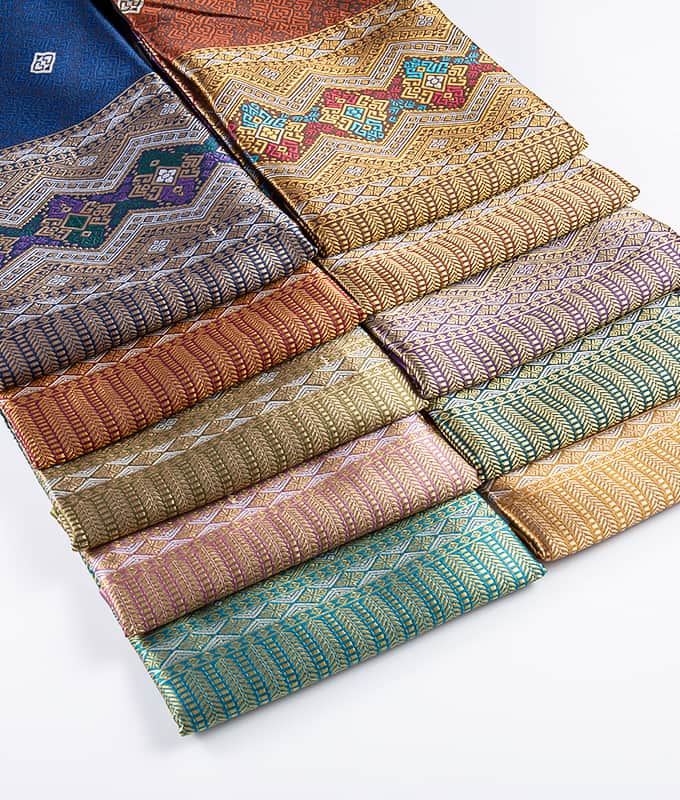
Poliesterska tkanina za tradicionalnu jugoistočnoazijsku sarong suknju povezuje nasljeđe i modernost. Ukorijenjena u kulturnim tradicijama, ova tka...
See Details

